Nar Phu Valley Trek

Trip Facts

  • Duration: 10 Days
  • Challenge level : Moderate
  • Max Altitude:5306m
  • Group size :2+ People
  • Best TimeSpring / Autumn
  • Destination :Nepal

About Nar Phu Valley Trek

The Nar Phu Valley Trek will embark you on an exhilarating journey through the untouched beauty of the Northern Annapurna region. This trek unveils the hidden gems of the Himalayas, offering a unique blend of Tibetan culture, rugged landscapes, and awe-inspiring mountain vistas. Notably, the trek includes segments of the renowned Annapurna Circuit, enhancing the adventure. The trek starts from Kathmandu and follows the route given below:

Kathmandu → Besisahar → Koto → Meta → Phu Gaon (Himlung Base Camp hike) → Nar Phedi → Nar Village → Kang La Pass → Ngawal → Manang → Besisahar → Kathmandu

Highlights: The Nar Phu Valley Trek is a voyage to remote and rugged valleys in the Annapurna wonderland. Nar and Phu, secluded settlements in Upper Mustang, offer an authentic experience of untouched Himalayan landscapes. Despite being graded as challenging, this trek can be made accessible with proper preparation and expert trekking guides.

Key Elements:

Breathtaking Mountain Views: The Annapurna region boasts the towering Annapurna Range. The landscape includes Himlung Peak, Mt. Gangapurna, Mt. Nilgiri, and Tilicho summit. These awe-inspiring mountains create a serene backdrop throughout the trek, delivering a soul-stirring experience.

Ancient Monasteries and Temples: The Nar and Phu villages are home to unadulterated Buddhism and BonPo Religion. The Tashi Lhakhang Monastery stands as a timeless symbol of spirituality.

Health Benefits: Trekking provides knowledge and pleasure while improving overall health. Walking amidst nature helps combat heart diseases and hypertension, and aids in weight management. The terrain offers a full-body workout, enhancing strength, speed, and cardiovascular fitness.

Benefits of Trekking in Nepal: Nepal’s diverse landscapes, tranquil lakes, unique flora and fauna, and cultural and religious diversity attract people all across the world. The climate is ideal for trekking, with different regions suitable for various seasons.

In conclusion, the Nar Phu Valley Trek offers a chance to discover the unexplored wonders of Nepal’s Annapurna region. The blend of pristine landscapes, ancient cultures, and health benefits makes it an enticing adventure for trekkers seeking a unique and rejuvenating experience.

Trip Highlights

  • Remote Beauty: Explore the least-visited landscape in Northern Annapurna, uncovering the hidden Nar and Phu valleys.
  • Cultural Richness: Immerse yourself in the ancient Tibetan culture and witness untouched traditions and rituals.
  • Mountain Majesty: Marvel at the stunning vistas of the Annapurna Range, along with peaks like Himlung, Gangapurna, and Tilicho.
  • High Himalayan Passes: Conquer challenging high passes like Kang La Pass (5,306 m /17,407 ft) for unmatched views.
  • Timeless Monasteries: Visit the revered Tashi Lhakhang Monastery and experience spiritual serenity amid the mountains.
  • Unique Settlements: Explore the isolated settlements of Nar and Phu, steeped in ancient Buddhist and Bonpo traditions.
  • Escape the Crowds: Enjoy a peaceful trek away from the crowds of the Annapurna Circuit, surrounded by pristine nature.
  • Health and Wellness: Benefit from improved physical fitness and mental well-being through challenging yet rewarding treks.
  • Diverse Landscapes: Traverse through lush riverbanks, suspension bridges, green pastures, and majestic boulder faces.

Itinerary

This itinerary is intended as a guide only. Local conditions and weather may necessitate variations to the program and can affect the availability of views and panoramas described.
Be aware that all time stated are approximate and may vary with individual and group fitness, weather, Trekking route, river level and road conditions.

We start our day early from Kathmandu after breakfast. We travel by bus to Besisahar and continue the journey toward Koto, following the old Annapurna Circuit trekking route. The drive takes approximately 8 hours in total and passes through rugged terrain, river valleys, and deep gorges with cascading waterfalls. Lunch will be taken on the way during the drive.

We’ll arrive at Koto Village (2,600 m / 8,530 ft) in the late afternoon and settle into a local teahouse for our overnight stay.

Max. Altitude: 2,600 m / 8,530 ft
Accommodation: Local teahouse
Duration: 8 hours driving

We start our day in Koto after breakfast and begin our trek toward Meta. Today’s walk takes approximately 7 hours, including a lunch break along the trail. The route passes through dense forests, narrow gorges, and small cave shelters that serve as resting places for pilgrims. Along the way, we enjoy views of cascading waterfalls and impressive mountain scenery.

Once we reach Meta (3,560 m / 11,680 ft), we check into a local teahouse where we stay overnight.

Max. Altitude: 3,560 m / 11,680 ft
Accommodation: Local teahouse
Duration: 7 hours walking

After breakfast in Meta, we begin our trek toward Phu Gaon. The walk from Meta to Phu Gaun is gradual and gentle, taking approximately 7 hours, including a lunch break along the trail. As we move higher into the valley, we experience the remote landscape and approach the Tibetan-influenced settlement of Phu Gaun.

After arrival in Phu Gaun, we can explore the village to learn about the local culture, traditions, and unique stone architecture. We’ll also visit Nar Phedi Monastery and Tashi Lhakhang Gompa, which are the main highlights of the day. We’ll stay overnight at a local teahouse in Phu Gaun.

Max. Altitude: 4,080 m / 13,385 ft
Accommodation: Local teahouse
Duration: 7 hours walking

We’ll spend the day in Phu Gaon to acclimatise to the high altitude. After breakfast, we head out for a short exploration hike toward the Himlung Himal Base Camp (7,125 m / 23,375 ft). The hike helps us adjust to the elevation while enjoying the surrounding alpine landscape. Along the trail, we may see herds of blue sheep moving across the steep cliffs. After completing the hike, we return to our local teahouse and rest for the remainder of the day.

Max. Altitude: 4,080 m / 13,385 ft
Accommodation: Local teahouse
Duration:  3-4 hours (Short acclimatisation hike)

We start our day in Phu Gaun after breakfast and begin our trek toward Nar Phedi. The route offers impressive mountain vistas and rugged landscapes as we descend gradually toward Nar Phedi. Once we reach Nar Phedi, we can explore the surroundings and visit the Nar Phedi Monastery, which is the main highlight of the day.  Overnight, we’ll stay at a local teahouse.

Max. Altitude: 4,080 m / 13,385 ft
Accommodation: Local teahouse
Duration: 6 hours walking

We start our day in Nar Phedi after breakfast and begin our trek toward Nar Village. The trail follows a windy path as we ascend toward the ancient settlement of Nar.

We reach Nar Village (4,110 m / 13,485 ft) around midday. After arrival, we explore the traditional village, observe local handmade products, and experience the unique culture along the Annapurna trails. Overnight, we’ll stay at a local teahouse in Nar Village.

Max. Altitude: 4,110 m / 13,485 ft
Accommodation: Local teahouse
Duration: 3 hours walking

We start our day after breakfast and begin our trek toward Ngawal Village. Today is a challenging day as we cross the Kang La Pass (5,306 m /17,407 ft). The trek takes approximately 8 hours, including a packed lunch along the trail. While the pass is not technically difficult, the high altitude makes it a long and demanding day.

As we cross the pass, we enjoy breathtaking views of Annapurna II, III, IV, Gangapurna, and Tilicho Peak. After descending from the pass, we reach Ngawal Village (3,675 m / 12,060 ft).  Overnight, we’ll stay at a local teahouse in Ngawal Village.

Max. Altitude: 5,399 m / 17,717 ft
Accommodation: Local teahouse
Duration: 8 hours walking

We start our day in Ngawal after breakfast and begin our trek toward Manang Village. Today’s walk takes approximately 4 hours, including a lunch stop along the trail. The route passes through pine forests, small ponds, and offers beautiful views of Annapurna III, Gangapurna, Khangsar Kang, Tilicho Peak, and Pisang Peak. We follow a zigzag trail as we approach our destination.

Manang is a large Tibetan-style village, surrounded by mountains, with numerous stupas and monasteries. Sunset and sunrise over the peaks provide stunning views. We’ll settle at a local teahouse once we reach Manang Village.

Max. Altitude: 3,540 m / 11,614 ft
Accommodation: Local teahouse
Duration: 4 hours walking

We start our day in Manang after breakfast and drive by jeep toward Besisahar. The journey takes approximately 7 hours, with a lunch stop along the way. The drive passes through beautiful valleys, rivers, and terraced fields as we descend from the high mountains to the lowlands. After arrival in Besisahar, we check into a hotel for our overnight stay.


 Max. Altitude: 3,540 m / 11,614 ft (Manang)

 Accommodation: Hotel
 Duration: 7 hours by jeep

After breakfast, we pack up our trekking equipment and leave Besisahar by jeep for Kathmandu. The drive takes approximately 5 to 6 hours, with a lunch stop along the way. The route passes through rivers, hills, and terraced farmland, offering scenic views.

Once we arrive in Kathmandu, you’ll be dropped off at your hotel. There is also an option to drive a shorter distance to Pokhara and take a flight back to Kathmandu, or travel by tourist bus, which many trekkers use to rest and relax before returning to the city.

Max. Altitude: 1,400 m / 4,593 ft
 Accommodation: Hotel
 Duration: 5–6 hours by jeep

What's included

Included

  • Airport transfer for your international arrival.
  • Necessary Required Permit and Restricted Area Permit (RAP).
  • A highly experienced, helpful, knowledgeable, friendly, English-speaking, well-trained, Government license-holding guide. Price includes his salary, food, drinks, accommodation, transport and insurance
  • Two guests to one porter (Max weight limit for a porter- 20 kg (10 kg per trekker, weight limit) with their insurance, salary, food, accommodation and equipment. We provide an assistant guide his salary, food, drinks, accommodation, transport and insurance, walking with the group to support where necessary as per the group size.
  • Accommodation in the mountains during the trek.
  • To and Fro from the Trek Start Point to the Trek End Point by Bus/Jeep.
  • Three meals a day: breakfast, lunch, dinner and tea/coffee during the trek.
  • Snacks (cookies) and seasonal fresh fruits every day.
  • First aid kit box.
  • All applicable government and local taxes per the itinerary.

What's Excluded

Excluded

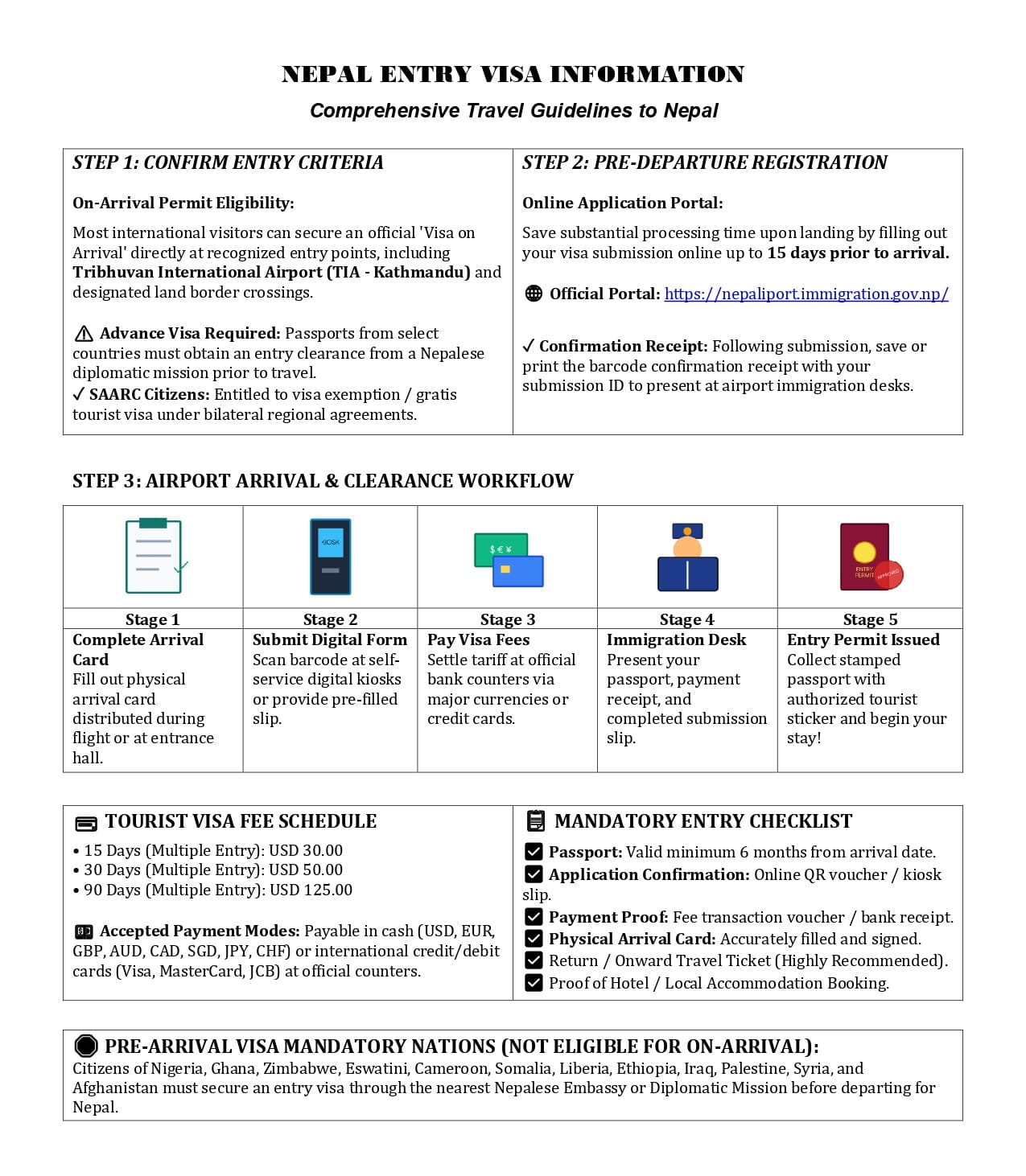
  • Your Nepal Visa fees.
  • All the International air fare to and from Kathmandu.
  • All meals and accommodation in Kathmandu and in Pokhara.
  • Kathmandu to Pokhara to Kathmandu/Chitwan transportation (if you want, we can organize for you with additional cost).
  • Personal travel and health insurance, as well as insurance for helicopter evacuation.
  • In case of extra nights’ accommodation, lunch and dinner in the city due to early arrival and late departure, as well as early back/return from mountain/trekking (due to any reason), outside the given time period of the itinerary. We can help you arrange extra nights’ accommodation.
  • Your personal expenses such as (laundry, baggage charge, phone calls, battery recharge, bar and beverage bill, boiled or bottled water, hot and cold shower, extra porter, etc.).
  • The tips for the trekking crews and drivers.
  • Arrangement of emergency evacuation service (should have insurance for emergency evacuation and will be paid by your travel insurance company).
  • Extra expenses due to flight delays, strikes, weather conditions or any event out of our control.

Equipment List

  • Duffel/Rucksack bag
  • Walking Pole
  • Day pack.
  • Trekking shoes.
  • Sports shoes or sandals.
  • Sun Hat/cap
  • Warm woollen cap.
  • Warm fleece jacket or puffy jacket
  • Waterproof Gore-Tex layer
  • Pullover or warm sweater
  • Raincoat
  • 4/5 pairs of good-quality socks
  • Hand gloves.
  • 2/3 pairs of trekking trousers.
  • 3/4 pairs of trekking shirts.
  • 3/4 pairs of underwear (non- cotton preferred).
  • Sun glasses
  • Water bottle
  • 4 season sleeping bag
  • Flash or Torch light
  • Camera and batteries